
Your free foraging guide: learn to see the wild food that’s already all around you
It’s under your feet, along the path edges, and hanging over the fence out the back of the doctor’s surgery. Here’s how to start seeing it.
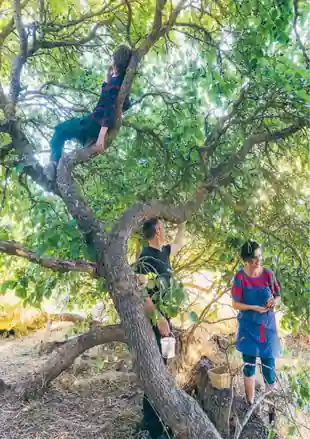
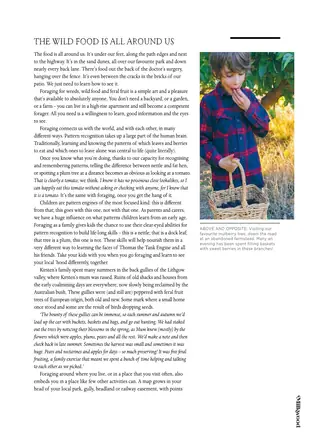
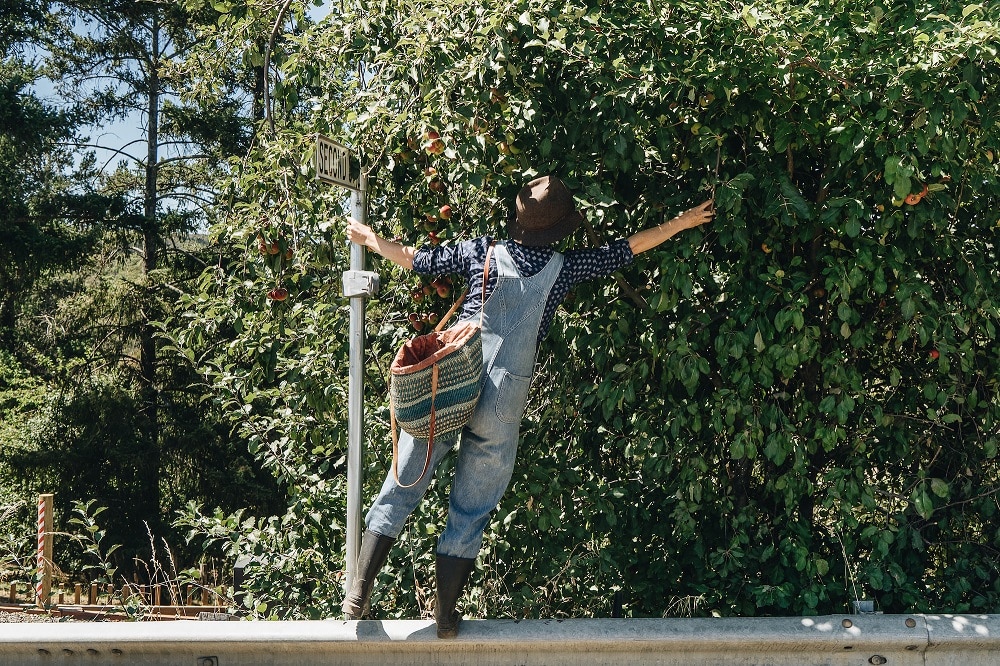
There’s a mulberry tree we’ve been visiting for years, down the road at an abandoned farmstead. Many an evening has been spent up in its branches filling baskets with sweet berries, and it belongs to nobody at all. There’s a version of that tree near you, too – the plum down by the railway line, the fennel by the highway, the dandelion in the spare lot by the bus stop. You just haven’t learned to see them yet.
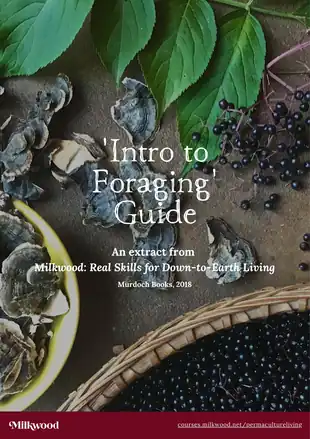
So we’ve pulled the opening pages of the Wild Food chapter straight out of our book and made them a free guide for you. Because foraging is one of those rare skills that costs you nothing to start, and needs no garden at all… have a peek inside 👀
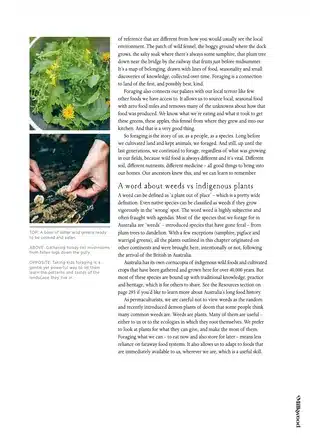
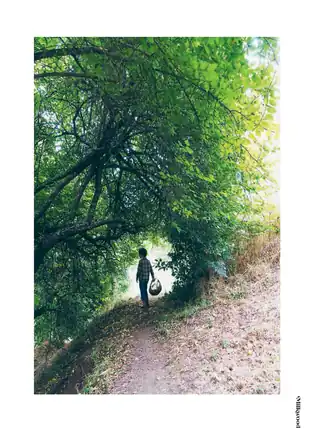
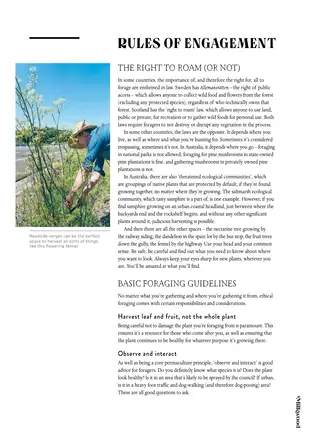
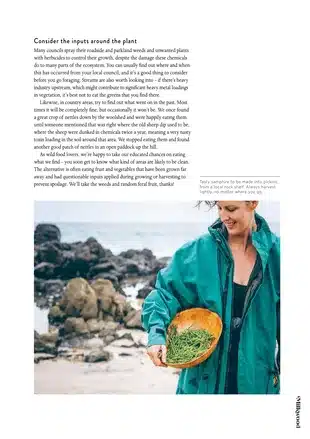
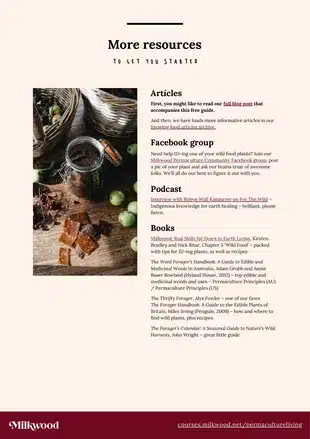
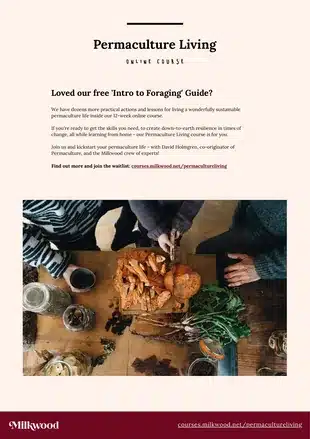
We’ll send the ‘Intro to Foraging’ Guide straight to your inbox, for keeps.
Pop your details in below and we’ll email you the full 13-page PDF. The rules of engagement, the forager’s toolkit, how to map the wild food in your area, and how to ask for the fruit on somebody else’s tree.
You’ll also get our Milkwood newsletter every so often… tips, seasonal notes and good resources, from our valley to your inbox.
One thing to know – you’ll need to click the confirm link in our first email before the guide arrives, so do check your inbox.
We never share your details, there’s no spam ever, and you can unsubscribe anytime with one click.

What’s inside the guide
It’s a 13-page extract from the Wild Food chapter of our book, and it covers the things that actually stop folks getting started:
- Why the food is all around you, and how your eye learns to pick it out of the green blur.
- The rules of engagement, and where you can and can’t forage in Australia.
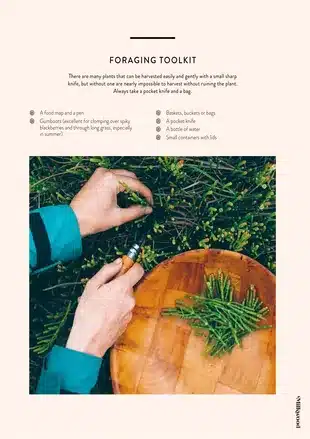
- The forager’s toolkit, which turns out to be a pocket knife, a bag and a bottle of water.
- What to check before you eat anything growing beside a road, a park or a creek.
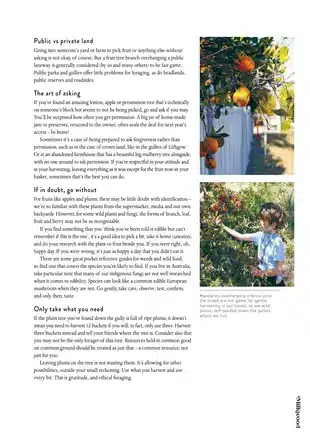
- The art of asking, for when the tree you want is on somebody else’s block.
- Weeds versus indigenous plants, and why weed is a much slipperier word than it sounds.
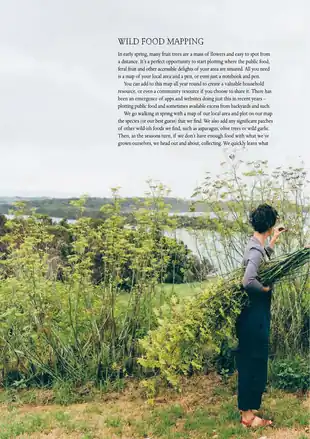
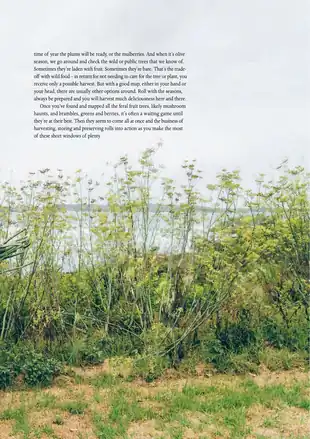
- How to map the wild food near you in spring, then go back for it in season.
None of this needs a garden, or a licence, or a single dollar. Just your eyes, a bag and a bit of a wander… which is part of why it’s such a good place to start.
Who’s this from?
We’re Kirsten and Nick, and we’ve been at this since 2007 – farming first, then teaching thousands of people to grow food, ferment, keep bees and cultivate mushrooms. Kirsten grew up hunting feral fruit in the back gullies of the Lithgow valley with her mum. They’d stake out the trees by their blossom in spring, go back with buckets and baskets in late summer, and come home to days of preserving.
And the real gift of foraging is what it does to your own neighbourhood, because a map slowly grows in your head. The patch of wild fennel, the boggy ground where the dock grows, that plum tree down near the bridge that fruits just before midsummer. It’s a map of belonging, and you draw it yourself, one small discovery at a time.
So grab your free guide and go for a wander… and if you get stuck along the way, just hit reply on any of our emails – helping folks learn new skills is what we do.
