
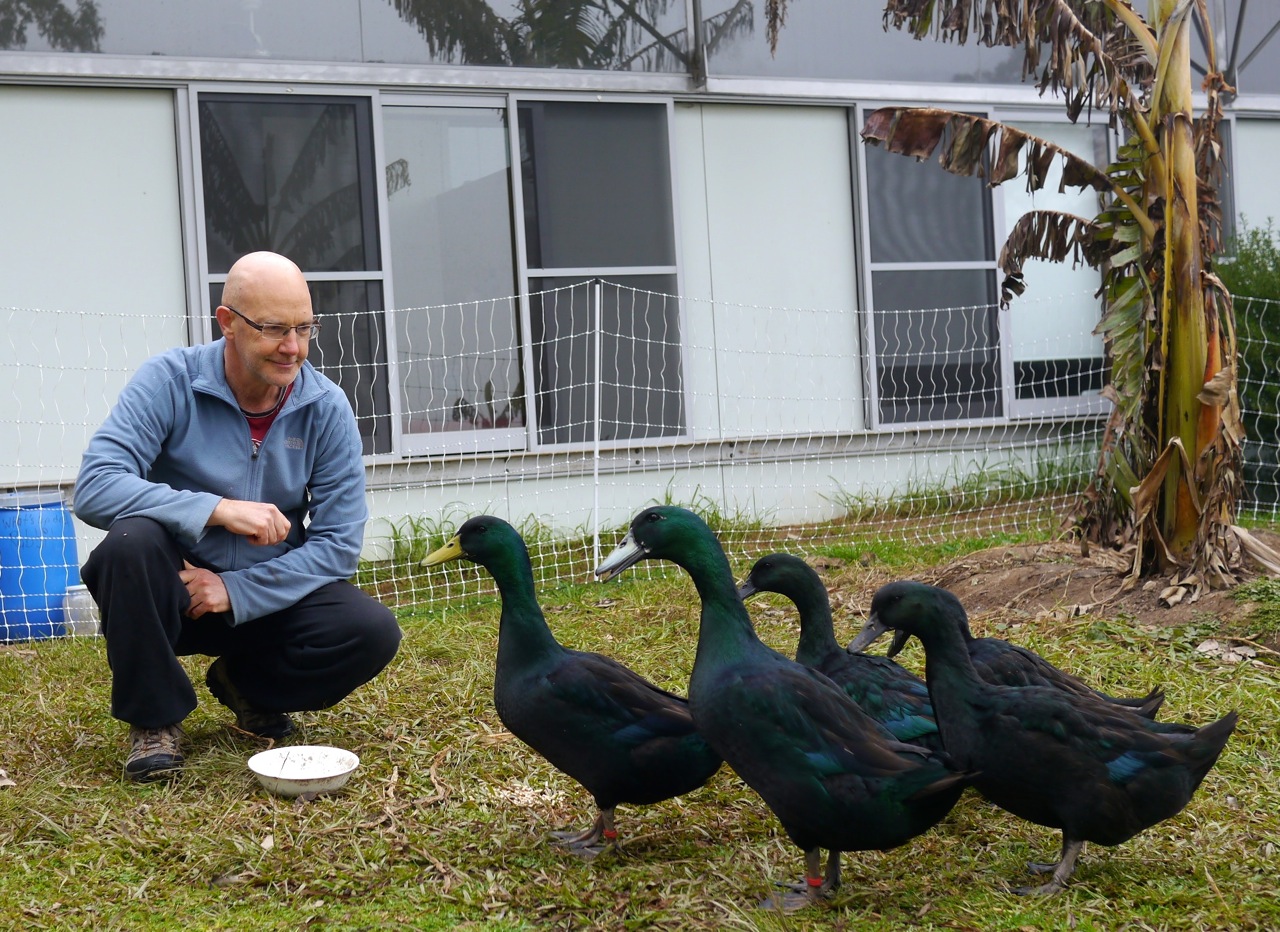
It’s many a city dweller’s long-lived dream. Skip out on the hustle and bustle and set up a life of clean air and green space in the country. Peter Brandis held that dream for 25-plus years – and one day, finally made the move.
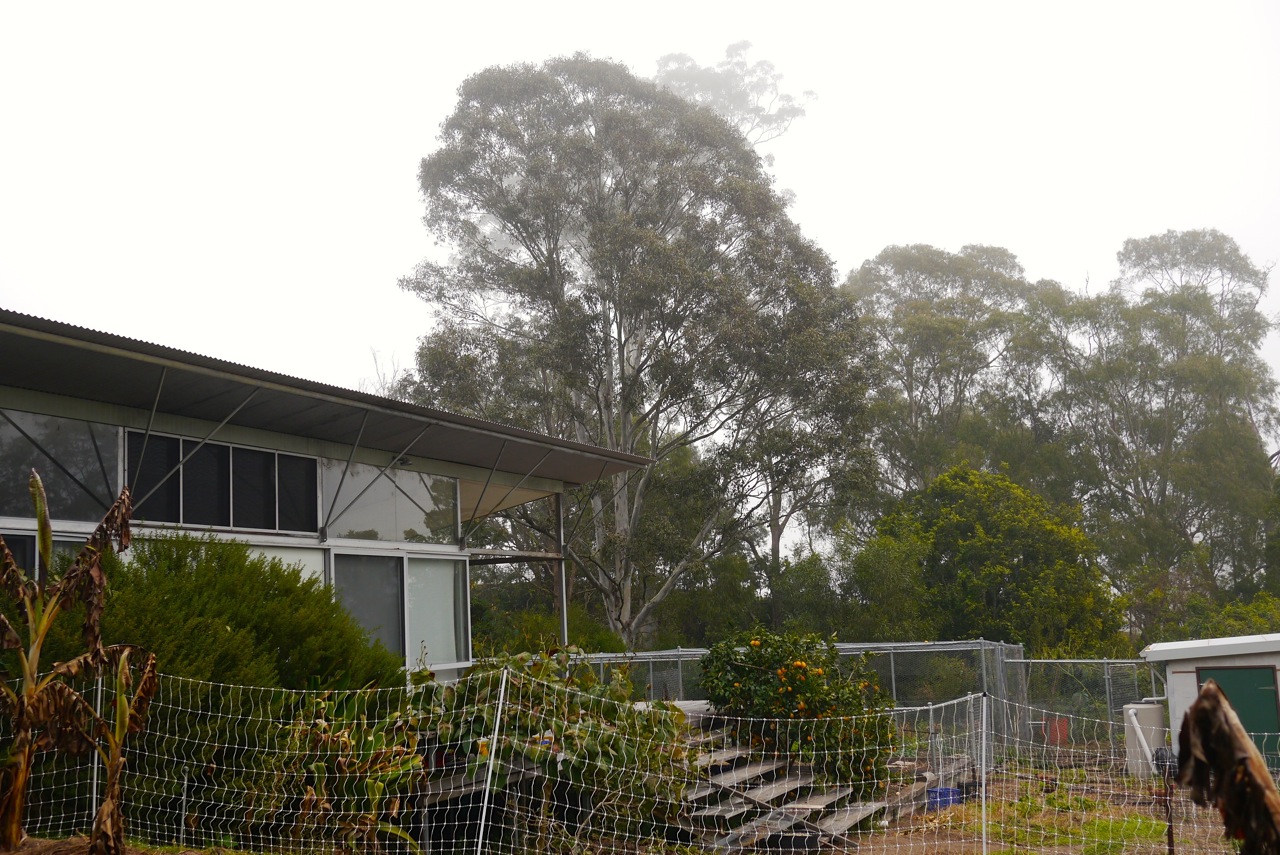
He then set up a funky little permaculture homestead and off-grid home in Kangaroo Valley.
“I’ve always had a desire to live in the country, and I came across permaculture back in the seventies when it first came out as a concept,” Peter says. “I always thought it’d be fun to explore how to apply those ideas on my own place.”
Alongside a long career in financial services, that then morphed into a stint in the environmental NGO world, Peter had picked up a copy of Pemaculture One: A Perennial Agriculture for Human Settlements, by Bill Mollison and David Holmgren.
Inspired by the book to make a change, it took a little while before things shifted into gear for Peter.
“It kind of waned a bit in terms of my awareness, I had a family and children, and a more traditional lifestyle. But at the back of my head there was always the idea of practicing permaculture in some way,” he says.
“And then I got tired of all the rubbish that goes on in any employed job and I decided I’d be better off devoting the rest of my working life into permaculture and teaching and sharing.”
“So when I was free of incumberances I thought I’d give it a shot and do it full time. So I retired from full-time work a few years ago and started to developing the place down here.”
Moving to their property that they had owned for 15 years, Peter and his wife, Vasudha, set about getting to know their land more intimately as they were setting up home.
“We tried to design a house that is oriented to the north and has passive solar cooling. We have compost toilets and a grey water system.
We’ve got five acres here, and as of recent times I’ve tried to refocus my efforts on a smaller portion of land – probably in total, less than an acre – and to use the wider land for grazing of other animals.
The gardens are designed around the house using the typical permaculture zoning principles of having things quite close to the home. But it takes a while to understand the land so that process has been evolving as we’ve been living here more full-time.”
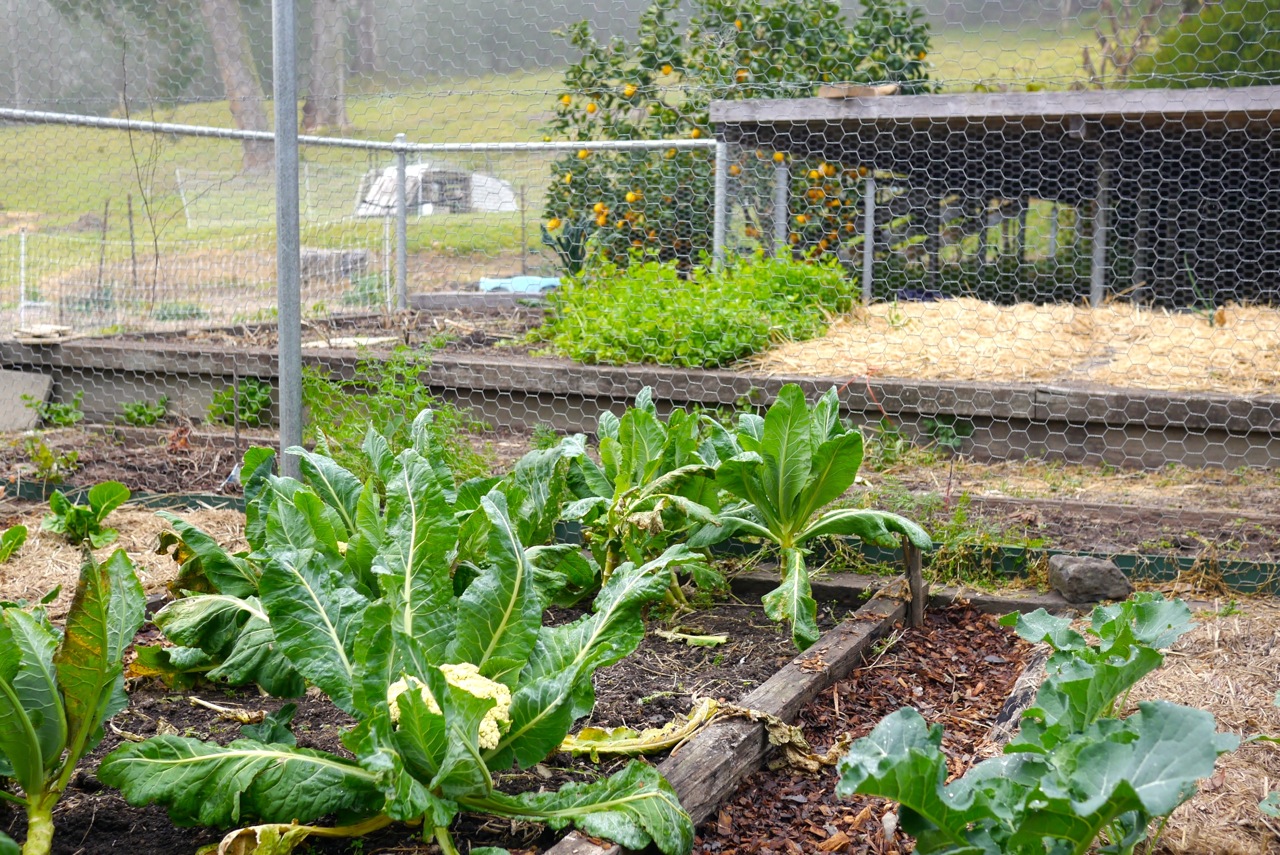
“My particular interest at the moment is building a large area of perennial vegetables, as well as working toward extending the season of all our crops.
We’re working towards providing a lot of our fruit and veg from the place – over the summer months we probably get 70-80% of our fruit and veg from the garden – and trying to extend the season is probably key at the moment.”
“We’ve also been working at growing more staples, like potatoes, beans and pumpkin, and garlic and onions, so that we can extend the harvest through the harder months. And that’s worked quite well this year.”
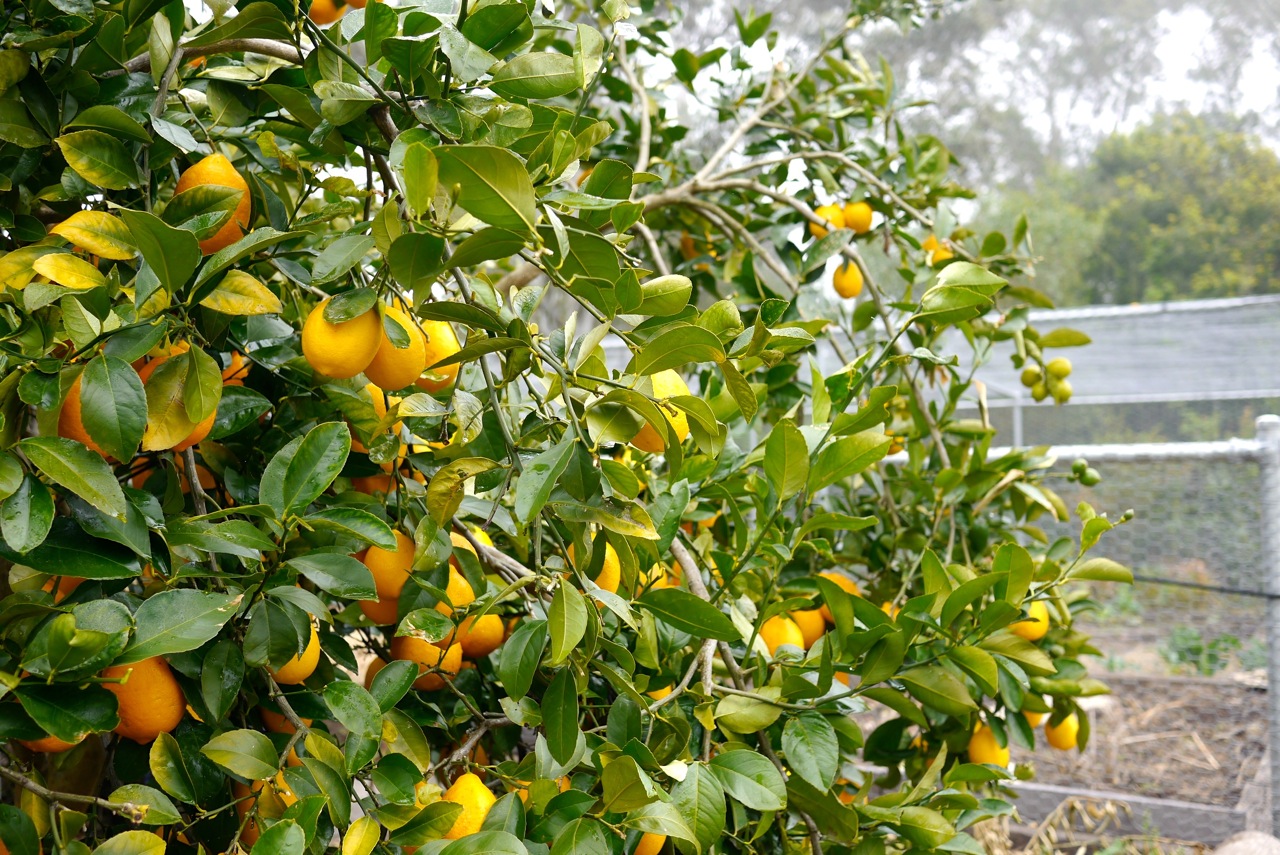
With kitchen and market gardens surrounding the home, the property is also host to over 60 fruit and nut trees – some of which suffered a bit of a knock back from hard frosts this year, but provide Peter and Vasudha with plenty of fruit.
“I’m trying to grow nutritional food where I can get my diverse diet from our place. So things like more nut trees for the protein, and also avocado trees for good fat.”
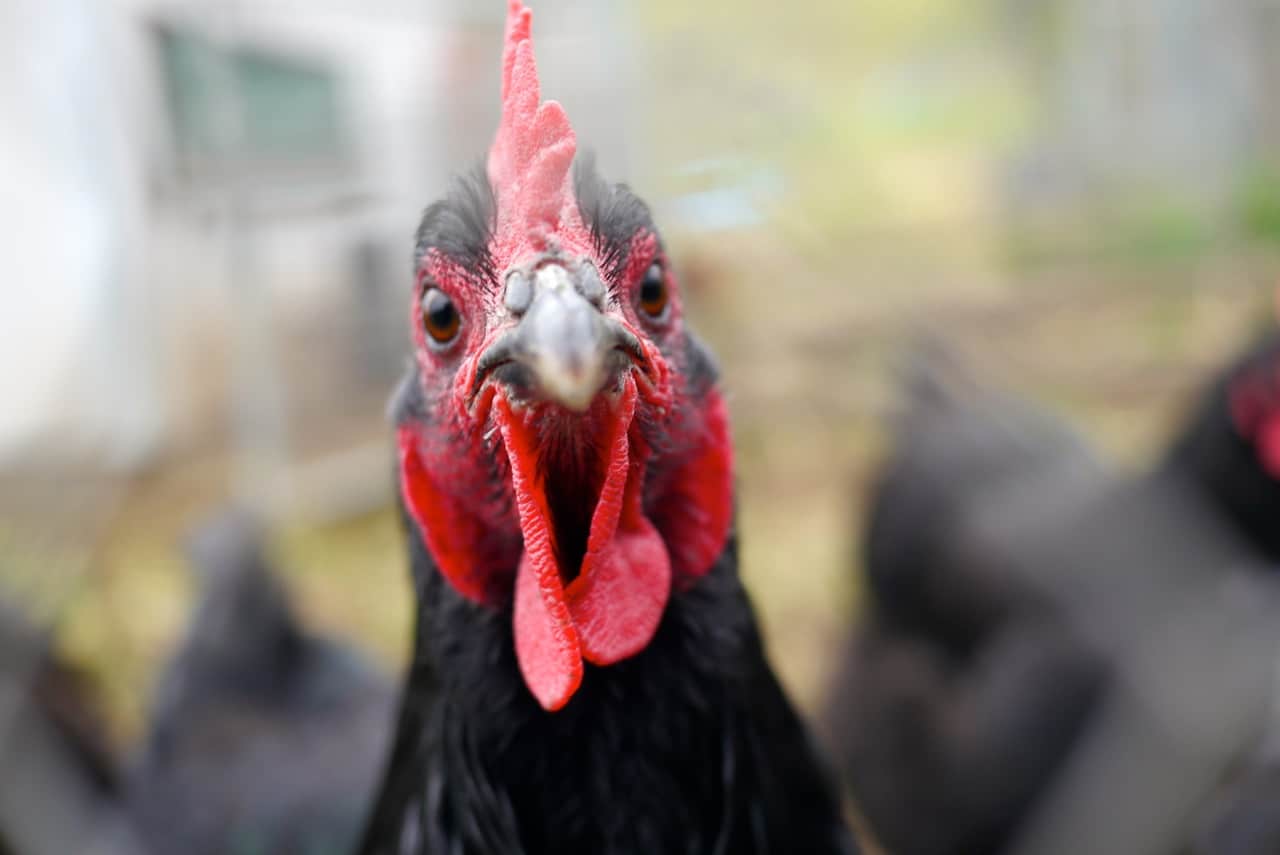
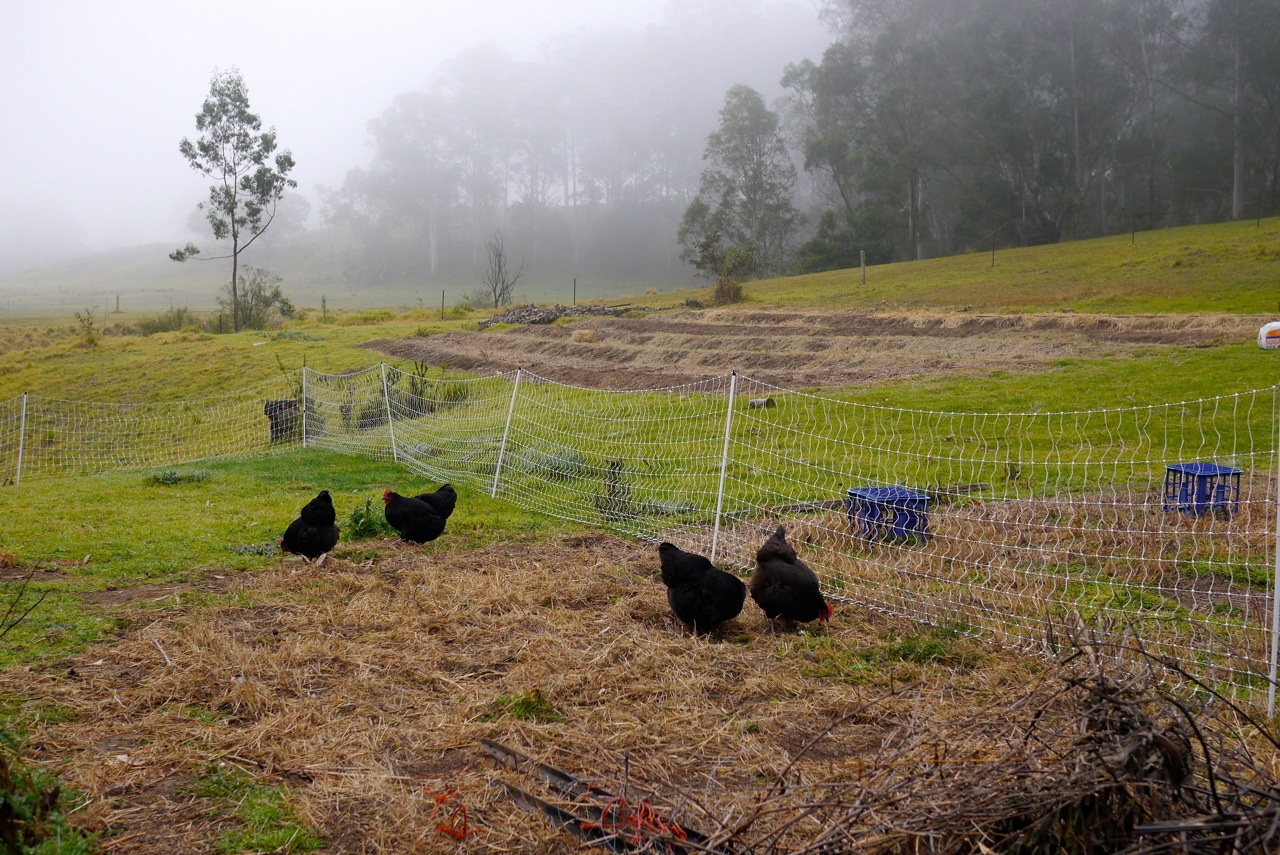
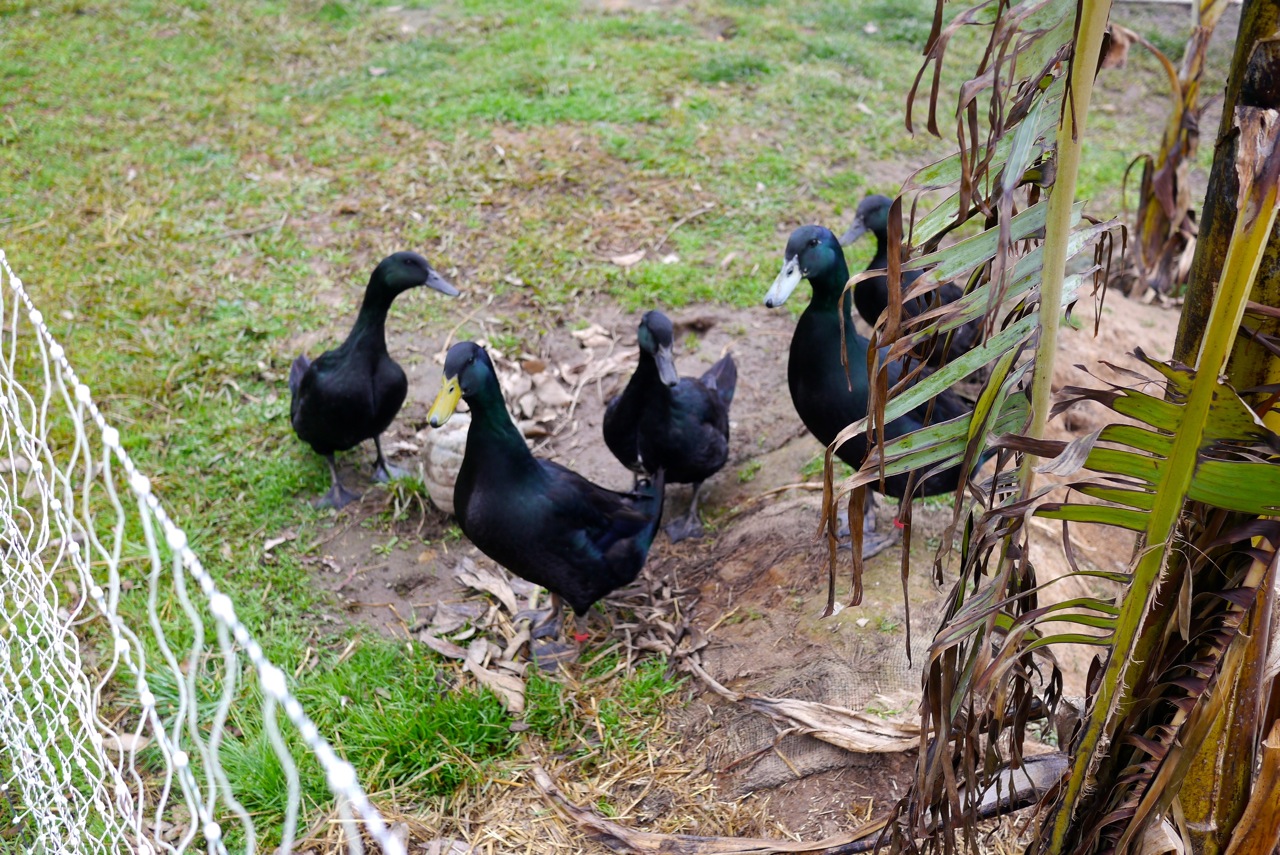
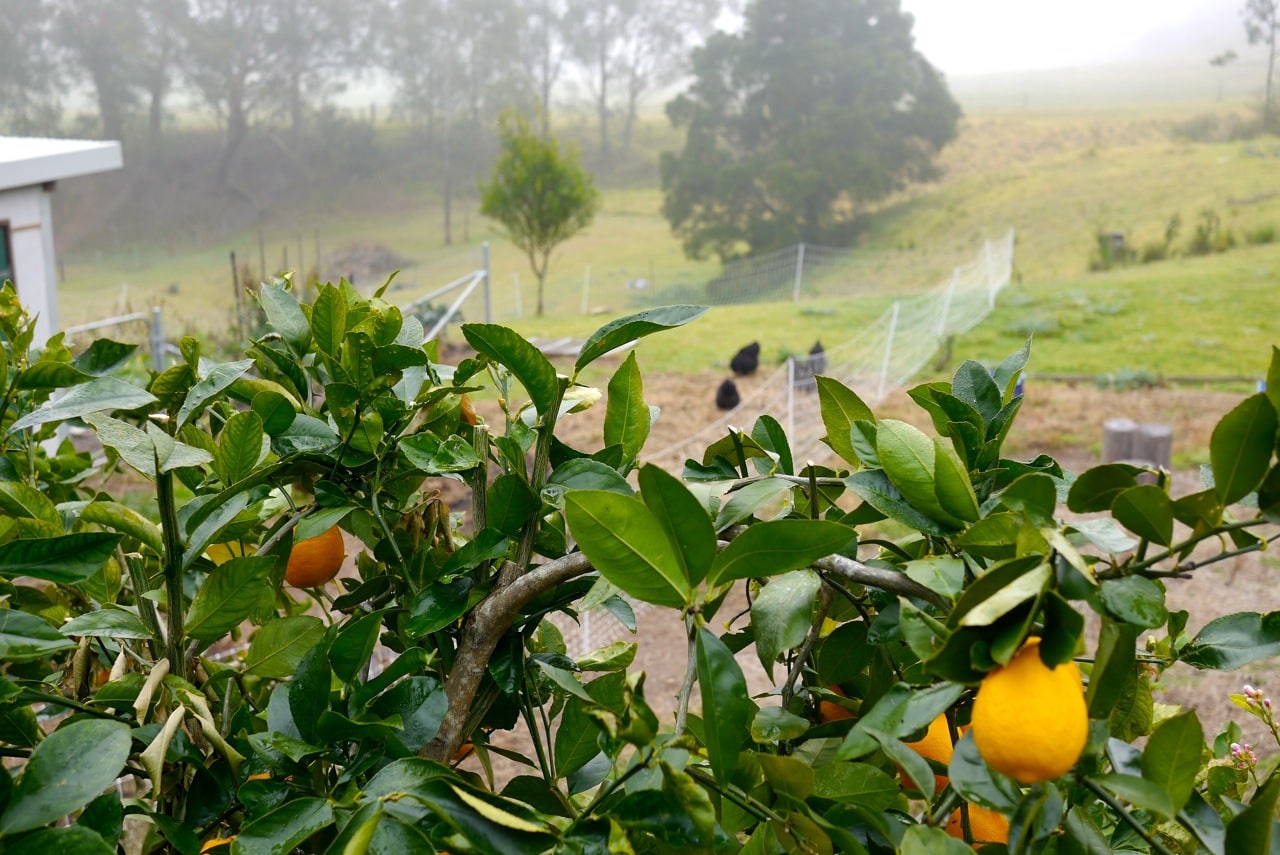
Animal life is evolving on the property too – both introduced and wild; “We’ve also got ducks, chickens and sheep and are just trying to work out the best combination of animals to work on the property.”
“One of the big challenges down in Kangaroo Valley is just that the wildlife is very abundant, and working out systems to keep them from eating our vegetables and fruit trees is pretty important.
And I’ve tried various techniques with that. So one of the biggest challenges I have is, how do I work with wildlife and grow my food. Sharing is good but I hope they leave something for me.”
Making the most of the rural lifestyle, Peter has become well known as a ‘go-to’ for permaculture knowledge in Kangaroo Valley, and happily plays a role in the development of a social and sharing community – from teaching introduction to permaculture courses and becoming involved in the community garden.
He also works to develop the idea of a sharing and gifting economy with surplus product.
“Although a lot of people down here tend to grow their own food or have their own garden, the community garden is designed more as a social place where we can gather and share stories and grow a bit of food together.
Although Kangaroo Valley is quite a spread out valley, so it’s not like being in the city with a community garden and you can walk to it. We have a different flavor and broaden its appeal beyond just the growing part.”
Peter’s ultimate goal for his own property is a place of learning, something we’ll be utilising very soon!
“I’m working on making the place a really lovely permaculture property that people can come and visit and learn from – and encompassing of the whole range of permaculture processes and techniques from food forest to swales to all the harvesting to vegie gardens.”
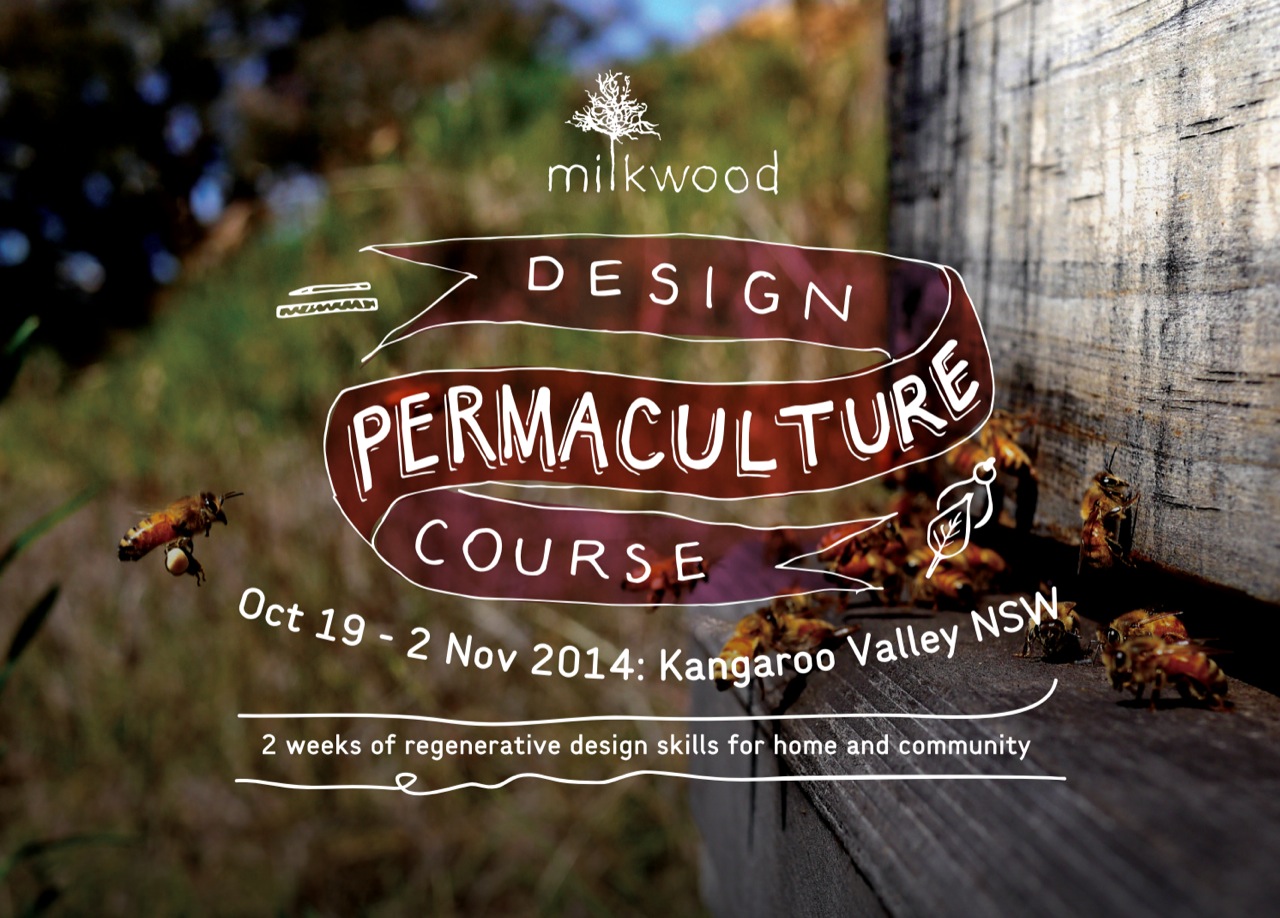
We’re visiting Peter’s property as a part of our spring PDC in Kangaroo Valley, along with other examples of off-grid awesomeness like Kangaroo Valley Permaculture and others.
Also, Nick from Milkwood is speaking at the Kangaroo Valley FIG Community Garden AGM on the 15 September, so if you’re about, come along and talk permaculture with us.
Thanks Peter!
About the Author: Emma Bowen is a grower, writer and thinker. She runs The Slowpoke and is about to launch the funkiest Urban Farm that Sydney ever did see with the team of Green Up Top.